Signs Your Deck Needs to Be Restained
Noticing peeling, fading, or splintering are common signs your deck needs to be restained, and local contractors can restore its appearance and protect its surface.
If your deck’s appearance has started to fade, or if you notice areas where the finish is peeling or cracking, these could be signs your deck needs to be restained. Property owners in the area often find that addressing these issues early helps maintain the deck’s durability and visual appeal. Restaining can protect the wood from moisture and wear, ensuring the outdoor space remains inviting and safe for family gatherings or relaxing weekends. For those unsure about the condition of their deck, experienced local contractors can assess the situation and recommend the best course of action to restore its beauty and longevity.
Keeping an eye out for faded color, visible splinters, or areas where the stain has worn thin can save property owners from more extensive repairs later on. These signs often indicate that the current finish has reached the end of its lifespan and needs refreshing. Local service providers are equipped to handle deck restaining projects, helping homeowners and business owners preserve their outdoor spaces efficiently. Continuing to enjoy a well-maintained deck depends on recognizing these early warning signs and connecting with professionals who can restore its appearance and protection.
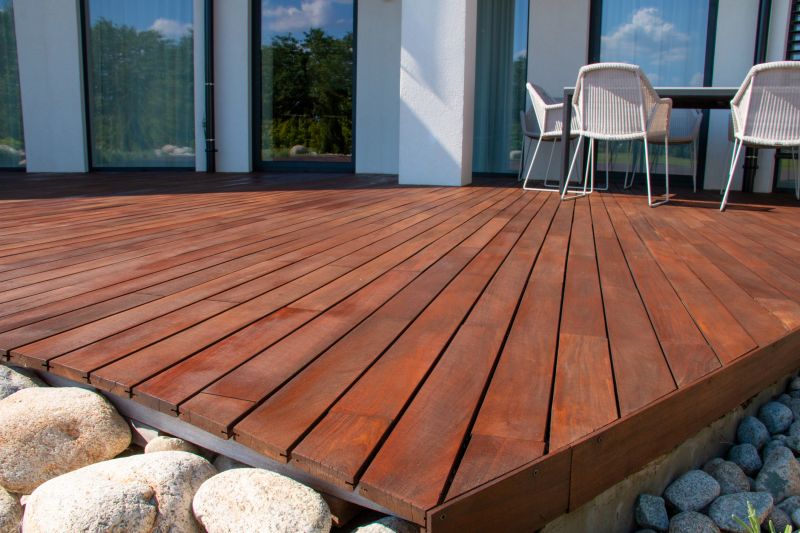
- Wood deck - Fading or discoloration indicates that the protective stain has worn away, and local contractors can restore its appearance with a fresh coat of stain.
- Strong>Weathered deck - Signs of peeling or cracking in the stain suggest it’s time for a restaining to protect the wood from further damage, with local service providers handling the process.
- Strong>Spots or stains - Water or mold stains on the deck surface can signal the need for restaining to improve durability, and local pros can assess and address these issues.
- Strong>Slippery surface - A slick or uneven surface may mean the stain has deteriorated, and local contractors can reapply stain to ensure safety and longevity.
- Strong>Exposed wood - Bare patches where the stain has worn thin or disappeared are clear signs that restaining is needed, with local service providers ready to refresh the deck’s finish.
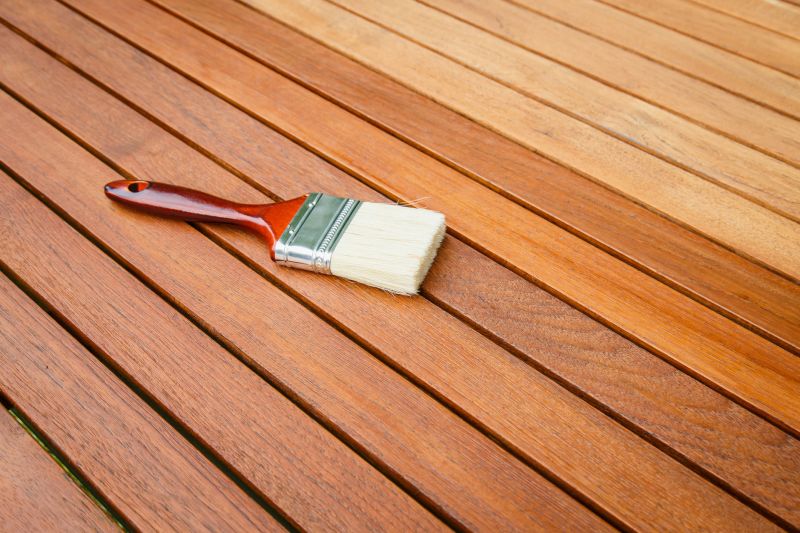

When homeowners search for signs their deck needs to be restained, they are typically looking for clear indicators that the protective finish has worn down and the deck is in need of refreshment. Over time, exposure to sunlight, rain, and foot traffic can cause the stain or finish to fade, peel, or become uneven. Recognizing these signs early can help prevent more serious issues like wood rot or structural damage, which can be costly to repair. Many property owners are interested in maintaining the appearance and longevity of their decks, especially if they plan to enjoy outdoor spaces for years to come. Understanding what to look for ensures that the deck remains both attractive and protected, and local service providers can assist with assessing the condition and performing the necessary work.
The problems associated with a deck that needs to be restained often extend beyond cosmetic concerns. When the stain begins to peel or flake, it leaves the wood vulnerable to moisture infiltration, which can lead to warping, rotting, or mold growth. Fading or discoloration is another common sign, indicating that the stain’s protective qualities are diminishing. For property owners planning outdoor gatherings or simply wanting a clean, fresh look, these issues may prompt a search for professional re-staining services. A well-maintained deck not only enhances curb appeal but also helps preserve the underlying wood structure, making timely staining or restaining a practical part of property upkeep.
Properties that usually come up in discussions about deck restaining include residential homes, especially those with outdoor living spaces, as well as vacation properties, cabins, or rental units with decks or patios. These properties often feature wood decks, porches, or balconies that are exposed to the elements year-round. Many homeowners notice signs of wear sooner in areas with high sun exposure or heavy foot traffic, which can accelerate the need for restaining. Service providers who specialize in deck restoration understand the specific challenges these property types face and can recommend appropriate treatments to restore and protect the wood, ensuring the outdoor space remains inviting and structurally sound.
Understanding the signs your deck needs to be restained helps property owners plan for maintenance before more serious damage occurs. Cracked or peeling stain, faded color, or a grayish appearance are common visual clues that the finish is no longer providing adequate protection. Additionally, if water no longer beads on the surface or soaks into the wood easily, it indicates the stain has lost its waterproofing qualities. In these cases, local contractors skilled in deck restaining can evaluate the condition of the wood, recommend the best approach, and carry out the work to restore the deck’s appearance and durability. Regularly addressing these signs can prolong the life of the deck and keep outdoor spaces looking their best.
Fence staining projects - these require similar surface preparation and staining techniques as deck restaining, making them relevant for homeowners assessing surface condition.
Wood siding restoration - involves cleaning, sanding, and applying protective finishes, paralleling the skills used in maintaining and restoring decks.
Patio and outdoor furniture refinishing - shares the need for surface cleaning, sanding, and applying protective finishes to preserve wood and enhance appearance.
Porch flooring refinishing - involves assessing wood surfaces for wear and applying appropriate stains or sealants, akin to deck maintenance practices.
Gazebo and pergola restoration - requires similar surface preparation and staining techniques to ensure longevity and aesthetic appeal.
Outdoor stairway refurbishing - involves evaluating wood surfaces for signs of wear and applying protective coatings, similar to deck restaining processes.
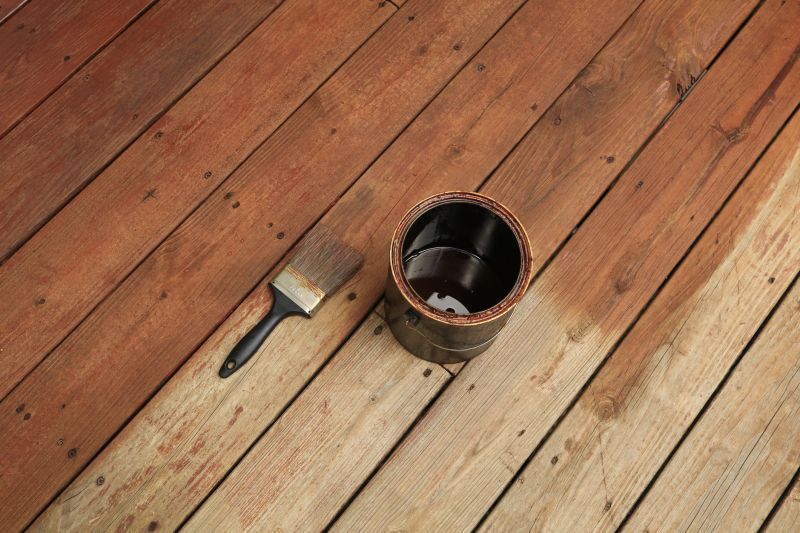
When evaluating potential service providers for deck restaining, it is important to consider their experience with similar projects. A contractor who has successfully handled decks comparable in size, material, and condition can better anticipate challenges and deliver quality results. Homeowners should inquire about the types of decks the contractor has worked on and request examples of completed projects to assess their familiarity with the specific requirements of restaining. This helps ensure that the contractor understands the nuances involved in restoring and protecting a deck’s surface, ultimately leading to a more satisfactory outcome.
Clear written expectations are essential when choosing a deck restaining service. A reputable contractor will provide a detailed scope of work that outlines the steps involved, the preparation process, and the type of stain or finish to be used. Having this information in writing helps prevent misunderstandings and ensures that both parties are aligned on the project’s objectives. Homeowners should ask for a comprehensive plan and timeline, so they know what to expect and can verify that the service provider is committed to transparent communication from the start.
Reputable references and good communication are key indicators of a dependable local contractor. Speaking with previous clients or reading reviews can provide insights into the contractor’s reliability, professionalism, and quality of work. Additionally, effective communication throughout the process-such as timely responses to questions and clear updates-can make the experience smoother and more predictable. When selecting a service provider for deck restaining, prioritizing those with positive references and a reputation for open, straightforward communication can help ensure that the project proceeds as planned and meets expectations.
Property owners often search for signs your deck needs to be restained when they are planning practical projects around their homes and businesses. Local pros provide Deck Restaining services for everyday jobs and straightforward project options.
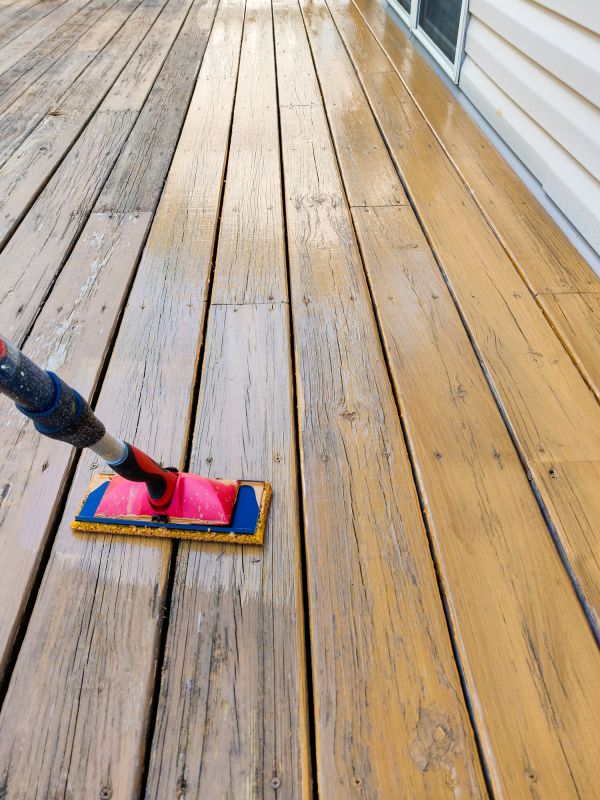
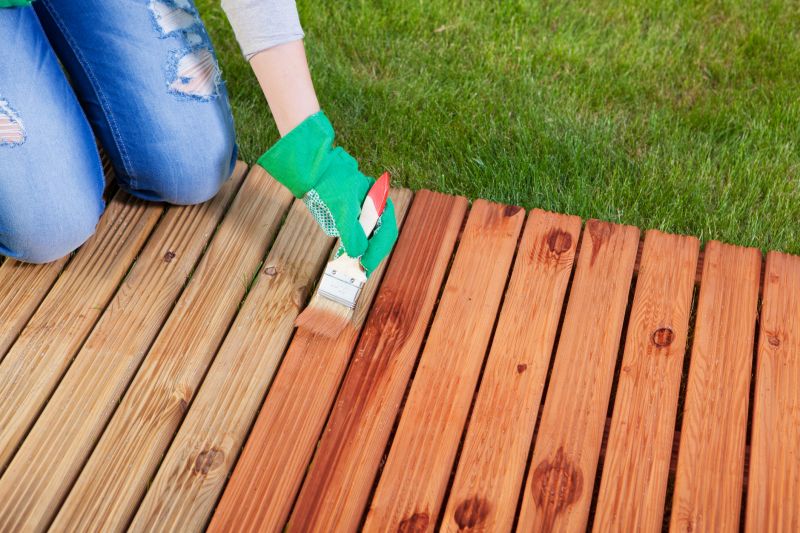
Over time, signs your deck needs to be restained can become noticeable through everyday use and weather exposure. Fading or dulling of the stain color is a common indicator, especially after harsh seasons or prolonged sun exposure. Additionally, the appearance of peeling, cracking, or splintering surface areas suggests that the existing stain has worn away, leaving the wood vulnerable to damage. Property owners might notice that water no longer beads on the surface, instead soaking in or causing discoloration, which indicates the stain’s protective qualities are diminishing. When these signs appear, reaching out to local contractors who specialize in deck restaining can help restore the deck’s appearance and protect its structure.
Other everyday situations can also signal the need for a fresh coat of stain. For example, if the deck’s surface becomes increasingly difficult to clean or shows signs of mold and mildew, it may be time for a restain to prevent further deterioration. Loose or bubbling stain patches can be a sign that the previous finish is failing, exposing the wood to moisture and decay. Property owners noticing these issues often turn to local service providers who can assess the deck’s condition and recommend the appropriate restaining options. Regular maintenance by experienced professionals can extend the life of a deck and keep it looking its best for years to come.
How can I tell if the stain on my deck is fading or peeling? If the stain appears uneven, faded, or peeling in certain areas, it may indicate that your deck needs to be restained. Local contractors can assess the condition and recommend appropriate restoration services.
Are there signs of wood damage that suggest re-staining is needed? Visible signs of wood damage, such as splintering, cracking, or discoloration, often mean the existing stain is no longer protecting the wood effectively. Professional service providers can help determine if re-staining will restore your deck’s appearance and durability.
What does it mean if water no longer beads on my deck surface? When water stops beading and soaks into the wood, it indicates the stain’s protective layer has worn off. Local pros can reapply stain to help preserve the wood and improve its resistance to moisture.
How do color changes in the stain indicate it’s time to restain? If the original color has significantly faded or become uneven, it’s a sign that the deck needs to be restained to restore its appearance. Experienced service providers can match and apply fresh stain for a uniform look.
Is mold or mildew growth a sign my deck needs re-staining? The presence of mold or mildew can suggest the stain has deteriorated, allowing moisture to penetrate the wood. Local contractors can clean and re-stain the deck to improve its condition and appearance.
Fading or dull appearance - When a deck's color looks washed out or less vibrant, it may be time to consider restaining services from local contractors to restore its original look.
Peeling or flaking finish - Signs of peeling or flaking stain indicate the protective layer is failing, and professional restaining can help maintain the deck’s durability.
Visible cracks or splinters - Cracks or splintering wood surfaces can signal that the stain has worn away, and a restaining project can help protect the wood from further damage.
Water absorption or uneven staining - If water soaks into the wood or stain appears uneven, local service providers can apply a fresh coat to improve appearance and longevity.
If you are thinking about signs your deck needs to be restained for a property, this guide is meant to help you understand this topic, the typical project types, and how different options might fit your plans.
When you are ready, you can use the quote form on this page to share a few details about your project. From there, local pros can review the basics and follow up with options that match what you have in mind.